
How the Manhattan Residents Directory Works
Manhattan records sit in four kinds of hands. City agencies hold property and tax files. State systems run the voter check, courts run case indexes, and research institutions keep the historical volumes. Start from your strongest fact. An address works best in the Department of Finance property tools. A known person fits the exact-field voter service. An older family question often begins with a directory year or an archival index, since each source was built for one narrow purpose.
For a practical Manhattan residents directory search, move from a firm identifier to the custodial record. Skip the broad name result. A property account links a location to its BBL. An ACRIS document names the parties to a filing. An archive volume can place a household at an address in a given period. Treat each as a clue, because no single record proves who lives somewhere today.
- Use the property portal to standardize an address or obtain its BBL.
- Check ACRIS for the parcel’s recorded document trail.
- Use the NYC voter service only to confirm a known, exact registration match.
- For an earlier household, consult NYPL or Municipal Archives directory and census material.
- Follow the custodian’s request route when the needed record is not indexed online.
Manhattan Residents Directory Record Keepers
New York County and Manhattan share one city-wide records landscape. The City Register keeps the real-property trail through ACRIS. The Department of Finance runs the Property Information Portal. The Board of Elections runs a narrow voter check. Courts and the clerk govern their own case files, while NYPL and the Municipal Archives hold historical names and addresses. The Manhattan by-street guide follows the address chain in more detail.
NYC City Register / ACRIS
66 John Street, 13th Floor
New York, NY 10038
212-487-6300
NYC Department of Finance
Property Information Portal
Address and BBL research
Agency help through 311
Manhattan Board of Elections
200 Varick Street, 10th Floor
New York, NY 10014
212-886-2100
Manhattan Residents Directory and the BBL
The BBL stabilizes any Manhattan address search. It combines borough, block, and lot. Manhattan carries borough code 1. A street address can hold several entrances, a different legal form, or a changed number over the years. A BBL instead names the tax lot, so the same number carries across the Department of Finance, ACRIS, DOB, and planning maps. Condominiums need extra care. The unit tax lot and the billing BBL may differ, and the billing BBL can describe an administrative relationship rather than a resident.
Useful distinction. A situs address is the physical location, a mailing address is where notices go, and a BBL is the legal tax-lot key. They can point to different people or places.
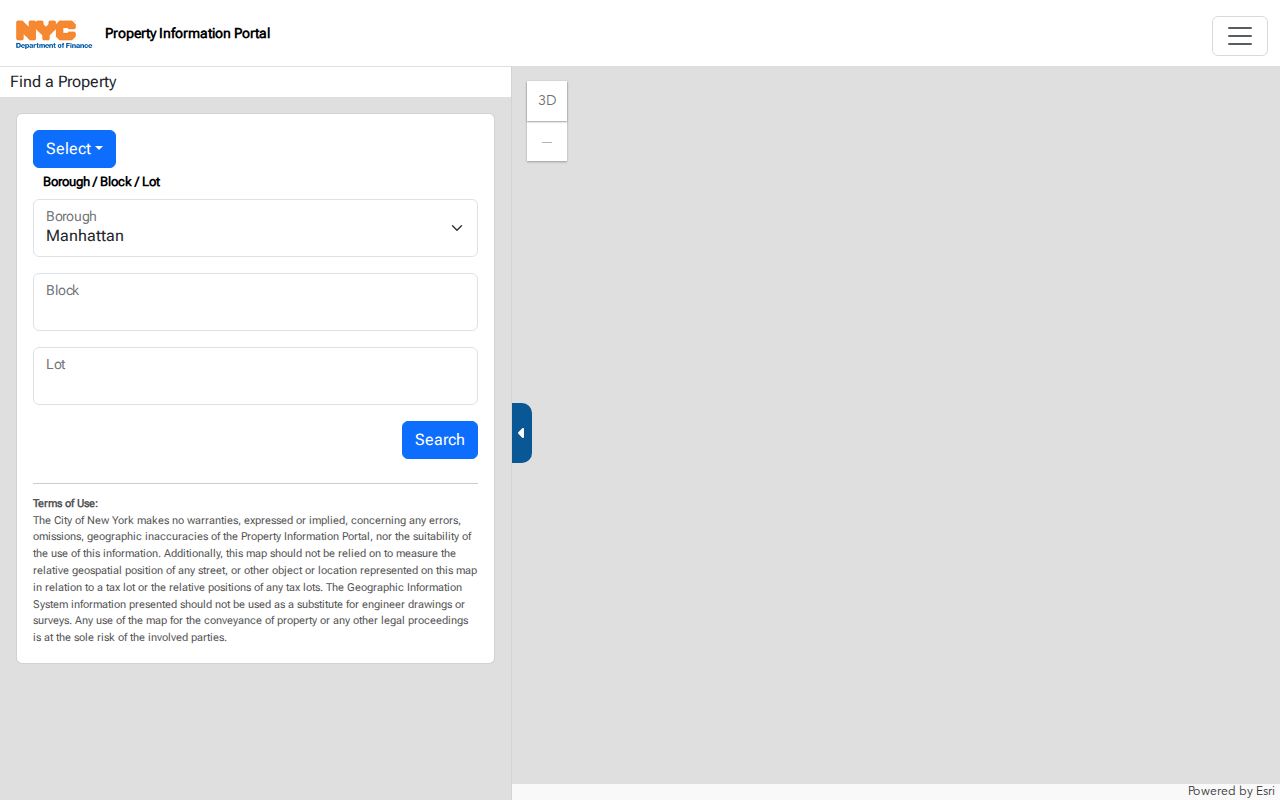
The Department of Finance Property Information Portal accepts lookups by address, intersection, common place, BBL, borough and block, condo, co-op, REUC, open tax account, air lot, and subterranean lot. It is the natural first stop.
Manhattan Residents Directory Deed and Parcel Trail
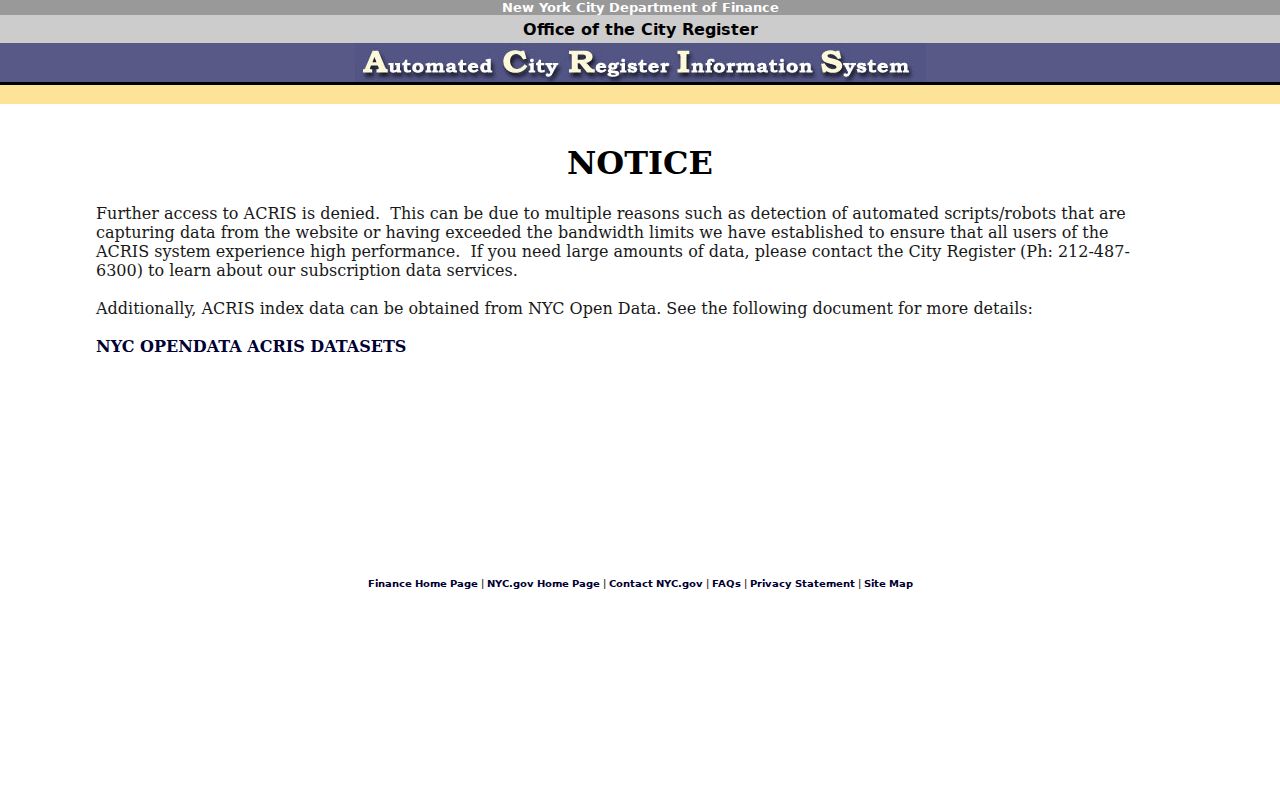
ACRIS is the City Register index for Manhattan real property from 1966 forward. Its search modes are broad. Party, parcel, document type, and document ID or CRFN are all documented options. Transaction, reel and page, and UCC or federal-lien number round out the choices. A deed detail can be generous. Grantor, grantee, execution and recording dates can all appear. BBL, property type, an amount where shown, and an image link may also show. Record the legal description too. It matters with multi-parcel filings.
The index is not the whole title history. Some records predate the online range. They continue through City Register facilities at 66 John Street, where public terminals offer print and certification requests. A deed party may be an owner, lender, trustee, or other participant. Pair it with the property account and later address evidence before any people conclusion. The ACRIS opening screen offers property-record and address-parcel options that support this parcel-first approach.
Manhattan Residents Directory Voter Confirmation
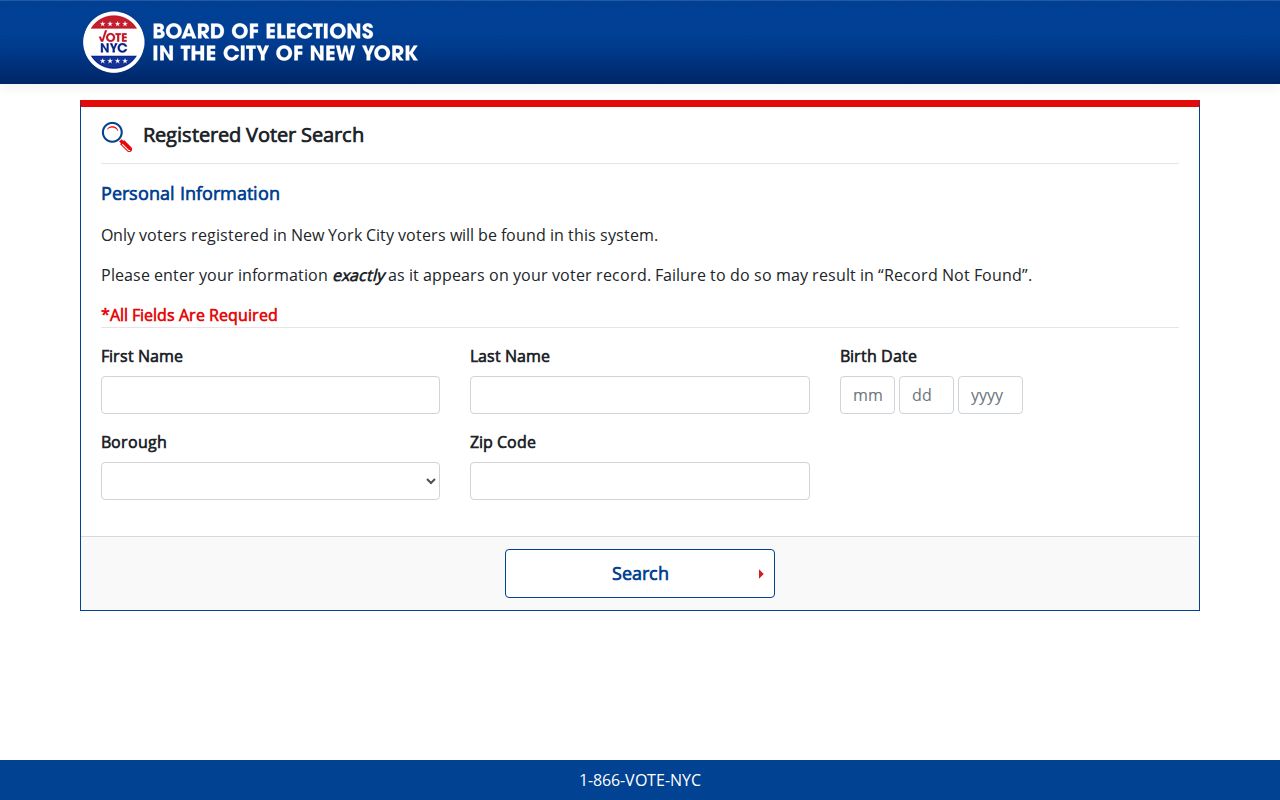
The NYC Registered Voter Search confirms a known person. It is not a browsable roll. The form demands first name, last name, birth month, day, year, borough, and ZIP Code exactly as the registration record holds them. Spelling, ZIP, a move, inactive status, or a protected record can all shape a match or a not-found response. Ballot choices stay hidden.
| Input | Format | Use |
|---|---|---|
| First and last name | Exact spelling | Identity matching |
| Birth date | Month, day, year | Required confirmation field |
| Borough and ZIP Code | Manhattan plus registered ZIP | Localizes the search |
The NYC voter search form shows the required fields and the borough selector.
Current Manhattan Residents Directory Sources
No current Manhattan residents directory is complete. The useful sources are separate indexes with different scope, access routes, and limits. The table helps match an official source to the question being asked.
| Manhattan source | What it can show | Access path | Important limit |
|---|---|---|---|
| DOF property account | Parcel, owner/account, values, exemptions, mailing clue | Property Information Portal | Mailing address is not occupancy proof |
| ACRIS | Recorded-document parties and parcel details | City Register index | Online reach starts in 1966 |
| NYC voter service | Known registration match | Exact-field online form | No browse-all result |
| NYC DOC and state/federal locators | Current custody only where the system covers it | Separate city, state, and federal tools | They are not a household roster |
| Professional and entity indexes | License or business connections | NYSED and NYS DOS | They do not establish a residence |
Verifying one person across official sources takes a plan. The resident lookup walkthrough separates the name-first workflow from the address-first workflow.
Manhattan Residents Directory Court Paths
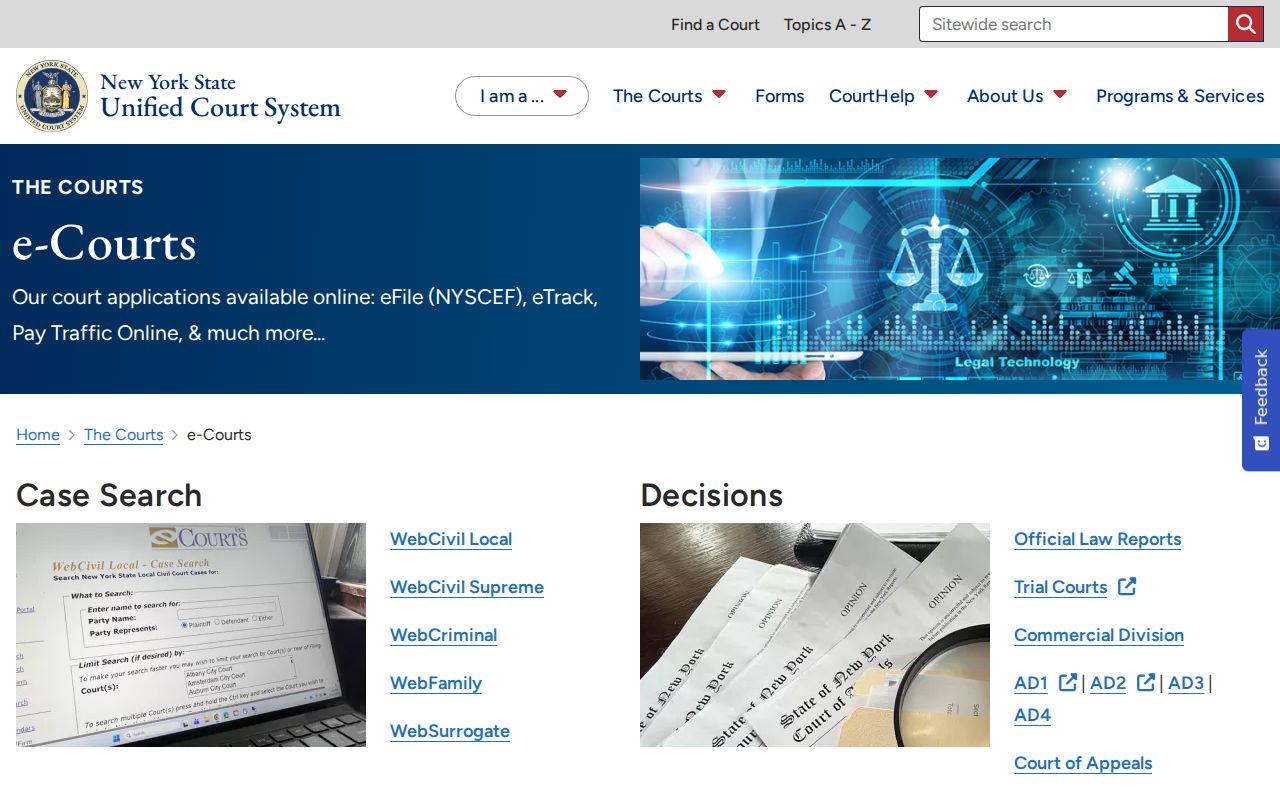
Courts sit outside the rest of Manhattan research. The eCourts hub routes users to WebCivil Local, WebCivil Supreme, WebCriminal, WebFamily, eTrack, and NYSCEF. Search fields depend on the product. Party name, case or index number, county, attorney, status, and dates are common options. Guest NYSCEF searches can reach public e-filed cases. Documents may appear too. County Clerk records differ. New York County Clerk files move through their own counter and requisition process.
Some matters stay out of public results. Family, adoption, youthful-offender, juvenile, sealed, and not-yet-entered records each follow different access rules, and copies and inspection come under Judiciary Law §255 and court rules rather than FOIL. Federal cases in the Southern District of New York run on PACER, a separate docket system that requires an account.
Manhattan Residents Directory Custody Records
Custody lookups in Manhattan depend on which system holds the person. The NYC Department of Correction runs an Incarcerated Person Lookup Service. It covers people currently in city custody. It can show charges and the next court date with its location. It also lists book and case numbers, where the person is held, a release date, and bail or bond details. Someone moved to state or federal custody drops out of that city service. Knowing the status first saves a wasted search.
State custody works differently. The NYS Department of Corrections and Community Supervision lookup takes a full name and birth date. Or it takes a DIN. The Federal Bureau of Prisons locator is separate. It accepts a name or register number, with optional age, race, and sex fields. New York's public sex-offender directory lists Level 2 and Level 3 individuals online. Level 1 and pending-risk cases go through a designated phone route with an extra identifier. Each tool answers one status, so none of them builds a Manhattan residents directory roster.
Manhattan Residents Directory FOIL Requests
When an agency has not posted a record, ask the body that actually holds it. New York's Freedom of Information Law sits in Public Officers Law Article 6. It spans sections 84 through 90. A good request names the existing record, the date range, and the format wanted. It also gives contact details and how delivery should happen. The law does not force an agency to build a new compilation. It will not chase an open-ended question for you.
Timing and costs follow set rules. Under section 89(3)(a), an agency generally gets five business days to grant or deny access. It can also say it lacks the record, or acknowledge the request with an approximate decision date. Paper copies generally run $0.25 a page under section 87(1)(b)(iii). An unusual format can cost its actual reproduction price. Court files belong with the clerk under Judiciary Law section 255 instead. City Register research follows its own property-record procedures rather than a FOIL detour.
Manhattan Residents Directory Vital-Record Routes
Vital records in Manhattan split by date and type. The NYC Historical Vital Records collection at the Municipal Archives holds digitized births, deaths, and marriages. Coverage runs from 1855 through 1950. NYC Health handles later birth and death certificates under record-specific eligibility and identity rules. The City Clerk keeps marriage records. Events outside the city follow a different route. So do NYC divorce certificates. The New York State Department of Health is the custodian for both.
Genealogy rules open older records on a schedule. Birth records unlock after 75 years when the person is known deceased. Death records unlock after 50 years. Marriage records unlock after 50 years once both spouses are known deceased. NYC events generally stay with NYC custodians. Order on the current custodian's form rather than assuming from any directory index.
Manhattan Residents Directory Privacy Boundaries
Access has firm limits. New York's Address Confidentiality Program gives qualifying participants a substitute address with free mail forwarding. The actual location stays confidential. Voter records can also be closed under Election Law section 5-508. A larger voter-file request needs an elections-purpose statement. No FOIL request can conjure a private resident list or crack a protected record.
Personal research only. Use Manhattan records for lawful personal, family-history, civic, or consumer-safety research. Do not use information to stalk, harass, intimidate, or harm another person.
Manhattan Residents Directory License and Business Checks
A license or business filing can confirm a public professional or organizational tie. It cannot prove where someone lives. NYSED's verification service spans more than 50 professions. It takes a profession plus a name or a six-digit license number. The NYS Department of State entity database updates daily. It can return the entity name, organization date, jurisdiction, county, service address, agent, status, and filing history.
Use each source for what it truly keeps. A UCC question goes to the Department of State's UCC process. It offers public inquiry plus UCC-11 searches or copy orders. There are separate fees and different indexing rules before and after July 1, 2001. Business records stay distinct from any address-residency question.
Manhattan Residents Directory Historical Shelves
Older Manhattan residents appear in the city directories. NYPL's digitized New York City directory collection runs from 1786 to 1934. Public-domain images sit online, and other issues are reachable through library divisions. The Municipal Archives lists Manhattan directory runs for 1873 to 1913, then 1915 to 1918, 1920, 1922, 1924, 1931, and 1933. Entries run largely alphabetical and center on heads of household. They usually list an occupation and a home or business address.
The archives also hold the 1890 Manhattan Police Census. That census is address-ordered, and it lists each resident's name, age, and sex. Children are included. No mail-search service exists for that census. An in-person visit or a research request is the fallback. The city directories guide shows how to read those volumes across years.
Manhattan Residents Directory and Community Records
Community records add a civic layer to any Manhattan residents directory search. They work differently from a resident lookup, though. Manhattan runs twelve Community Boards. Each one serves named neighborhoods and posts public contact details along with meeting schedules. Those pages reveal the civic setting of a block. This includes proposed land-use activity and which office fields neighborhood concerns. Keep in mind that they are not resident rosters. Community Board 4 goes further. It publishes a public Chelsea and Clinton inventory of blocks and neighborhood associations. A group tied to a specific area is easier to identify.
For address questions, pair civic material with parcel data. Do not substitute one for the other. A board boundary or map can place a neighborhood. ZoLa and the Department of Finance tools pin down the parcel itself. The voter tool works best as confirmation for a person you already have in mind. The same caution fits neighborhood groups. A public contact page may list a representative or the group's activities. It still cannot tell you who lives at every address on a block.
Manhattan Residents Directory History and Address Change
Manhattan's record trail is older than the numbered grid itself. The 1811 Commissioners' plan mapped streets north to 155th Street, while lower Manhattan kept its irregular streets, wards, alleys, and named roads. Address numbers shift over time as blocks develop, buildings get replaced, or street names change. No single citywide source resolves every renumbering.
When an old directory address fails to match a current location, resist forcing it. Compare cross streets, the map sheet, the legal description, and the BBL instead. Several archives preserve pieces of that bridge between eras. Sanborn and Perris maps, DOB records, the City Register, NYPL, and Municipal Archives each hold part of the story. A careful timeline labels what each source actually shows for its own period.